


Blossom Blast Saga
4.481.57K Reviews
App Specs
- Version
- 100.228.0.0
- Updated On
- License
- Free
- Downloads
- 50,000,000+
- Developer
- King
- Categories
- Casual
- Platform
- Android
Screenshots
 Analysis by AppCompare
I found the appeal of Blossom Blast Saga easiest to understand in short bursts: a few minutes of linking flowers feels approachable, but the board can ask for more thought than its bright, gentle look suggests. It’s a casual puzzle game from King, and its central pleasure is watching connected buds grow and bloom. The first sessions are welcoming; whether it earns a lasting place on your phone depends on how much you enjoy working through one goal at a time.
Why the first sessions click
The basic idea is quick to grasp, so I didn’t need a long tutorial to start making useful moves. Connecting buds of the same color gives each turn a clear purpose, while the flowers’ growth and blooming make the result easy to read. That immediate feedback suits an idle moment: I can play a level while waiting for a kettle to boil without needing to remember a complicated story or set of controls.
That simplicity shouldn’t be mistaken for a puzzle with no decisions. A move can affect more than the buds I connect, and the level’s objective matters when I choose where to spend a turn. I get better results when I pause to scan the whole board rather than follow the first tempting chain. For a newcomer, that’s a useful habit from the start: check the goal, look for the longest sensible connection, and avoid making a move just because it creates a pretty animation.
What keeps the puzzle interesting
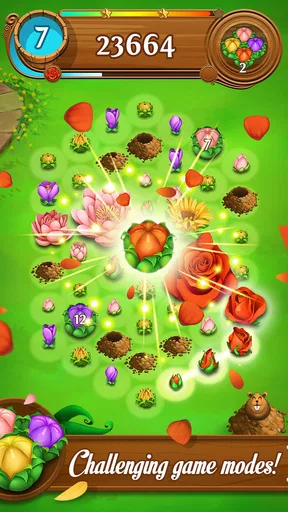
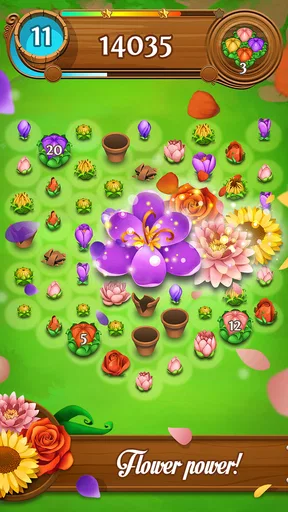
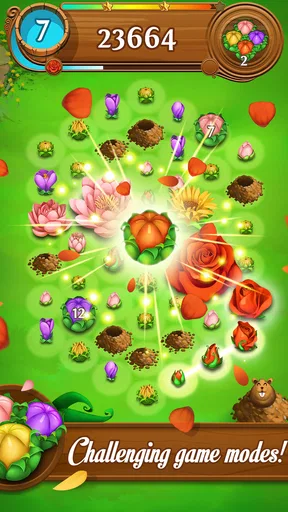
As I moved beyond the early stages, the objectives and obstacles gave the familiar linking mechanic more texture. Some levels ask for a particular result, while weeds and rocks can make the available choices less straightforward. That means success isn’t always about making the biggest connection; it’s about using the board in a way that serves the task in front of me. The change of emphasis helps the game stay more engaging than a simple score chase.
The level structure is also a good fit for players who like a clear endpoint to each session. I can finish a stage and stop, rather than committing to a long run. When I’m stuck, I try changing my priorities instead of repeating the same move pattern: an obstacle may deserve attention before I work on the main target, or a smaller chain may set up a better opportunity. That kind of adjustment is more satisfying than treating every board as a race to clear flowers as quickly as possible.
Getting to Know Blossom Blast Saga
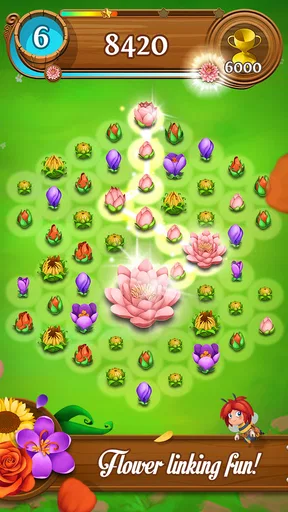
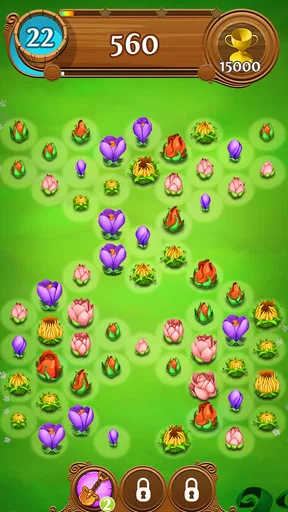
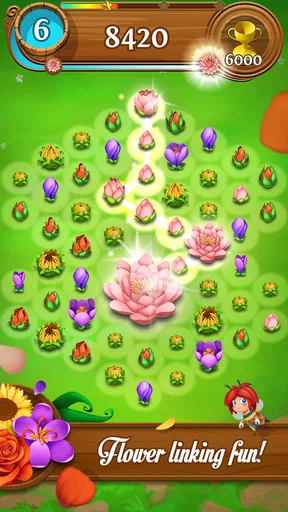
Imagine this: a garden full of colorful flowers waiting for you to bloom them into a blossoming paradise. That’s essentially what Blossom Blast Saga is all about. The goal is to connect buds of the same color to make them grow and ultimately bloom. Simple, right? Well, not exactly. As you progress, the levels become more intricate, requiring strategic moves and a bit of patience.
The Gameplay Experience
The game starts off easy, giving you a chance to get the hang of connecting flowers. You’ll quickly find yourself in a zen-like trance, connecting blooms and watching them burst into vibrant colors. The animations are smooth, and the graphics are just delightful. It’s like having a little piece of a botanical garden right in your pocket.
Worth Reading Before You Choose

EA SPORTS FC Mobile 26 Is a Bigger Football Game, but It Takes Time

Flipboard Shows What News Apps Must Do Beyond the Feed

Switching to Android Auto Means Rethinking Your Driving Routine

Google Calendar Makes a Crowded Week Easier to Manage

Ludo King Makes the Most of the Minutes Between Plans

Baby Panda World Brings Quick Play to Modern Phones, but Its Game Library Feels Busy
Each level has a specific goal, whether it’s blooming a certain number of flowers or reaching a target score. As you advance, you’ll encounter obstacles like weeds and rocks, which add an extra layer of challenge. The game is free to play, but like many others, it offers in-app purchases to help you out when you’re stuck. It’s tempting, but with a bit of strategy, you can definitely progress without spending a dime.
Design and Soundtrack
The design is truly one of the standout features of this game. Each garden is a feast for the eyes with its lush colors and detailed flower designs. It’s clear that a lot of love and care went into creating these visual elements. And the soundtrack? It’s soothing and fits perfectly with the theme, making it a relaxing experience overall.
That calm presentation is a real advantage when I want a low-pressure puzzle, but it also sets an expectation: this isn’t the choice I’d reach for when I want dramatic action or a demanding competitive match. The gentle look can make the game feel restful, yet a difficult board still requires attention. I sometimes turn the sound down when playing in a shared space; the visual feedback is clear enough that I can follow the puzzle without treating the soundtrack as essential.
Challenges and Levels
The levels are well-paced, gradually increasing in difficulty without feeling overwhelming. There’s a sense of accomplishment when you complete a particularly tough level, and the game does a great job of keeping you engaged. The addition of leaderboards adds a competitive element, allowing you to compare scores with friends and other players worldwide.
In day-to-day use, I’d treat a hard level as a small puzzle to revisit with a fresh look, not as a reason to keep tapping until I’m annoyed. When the board feels stubborn, I take a moment to identify what the objective actually rewards and make each move support it. This is especially helpful if I’m playing during a short break: one focused attempt can be satisfying, while several rushed retries can make a relaxing game feel like an obligation.
Events and reasons to return
Special events and challenges that appear from time to time keep the gameplay fresh. These events often come with unique rewards, which are a great incentive to keep playing regularly.
That recurring activity can help the game stay in rotation, but I wouldn’t make it a daily chore. If I have a free moment, an event gives me another reason to open the game; if I miss a session, the core puzzle is still the main draw. The lasting value comes from enjoying the act of planning flower connections, not from feeling that I must check in to keep up. Players who prefer a self-contained game with no recurring prompts may find that distinction important.
Playing with friends, or on your own
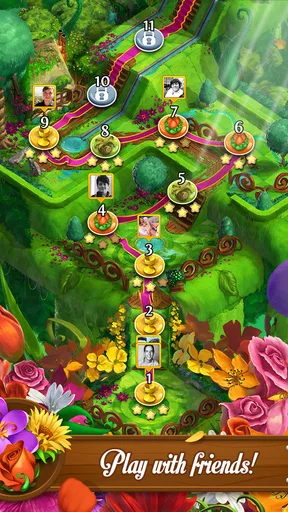
If you’re the social type, you’ll appreciate the ability to connect the game to your social media accounts. Sharing progress and competing with friends adds another layer of fun. Plus, sending and receiving lives from friends can be a lifesaver when you’re on a losing streak.
Social play is optional in spirit: I’d choose it if comparing progress or exchanging lives makes the experience more enjoyable, but the flower-linking puzzle is still the reason to play. If I’d rather keep a game separate from social accounts, I can focus on the levels themselves. That makes it easier to decide what kind of experience I want from it instead of assuming that every feature needs to become part of my routine.
Who will get the most from it
I’d recommend this to someone who likes approachable match-style puzzles, colorful presentation, and stages that can be played in short sessions. It may also suit a casual player who wants a gentle alternative to games built around fast reactions. The age rating is Everyone, so its broad, non-intimidating style makes sense for different ages, though younger players should still have an adult’s help understanding optional purchases.
I’d point a different kind of player elsewhere. If you want a deep campaign, direct control over a character, or a puzzle that changes its rules radically from one session to the next, this familiar flower-connection loop may feel too narrow. Someone who enjoys competing intensely may prefer a game centered on head-to-head play rather than comparing scores. The best fit here is a person who finds satisfaction in spotting a useful connection and gradually clearing a specific objective.
Cost, version, and practical expectations
The game is free to download, and in-app purchases range from $0.99 to $94.99 per item. I’d go in treating purchases as optional rather than as the intended way to solve every difficult level. Before spending, I’d ask whether I’m still enjoying the puzzle itself; if frustration is the only reason I’m considering a purchase, taking a break is probably the better move. That keeps a casual game from quietly turning into a costly habit.
It was released on October 28, 2015, and its current version is 100.216.1.0, with Android 7.0 as the minimum operating system. The game has a 4.5 average from around 1.3 million ratings, alongside roughly 82,000 written reviews and over 50 million installs. Those figures suggest a widely played title, but they can’t tell me whether its particular rhythm will suit you; the deciding question is whether you enjoy the board-by-board challenge after the novelty of the flowers wears off.
How it compares with other casual puzzles
Compared with the usual match-three alternatives, this game asks me to think about linking buds rather than simply swapping neighboring pieces. That difference gives each move a more spatial feel: I scan for connected colors and consider how a chain may serve the level objective. It’s a modest but meaningful distinction, not a completely different genre. If swapping tiles is the specific pleasure you want, a conventional match-three game may feel more natural; if tracing a route through same-colored buds sounds appealing, this one has a clear identity.
It also occupies a different mood from puzzle games built around timers, elaborate narratives, or intricate logic challenges. The soothing garden theme and short stages make it easy to pick up, while obstacles and goals provide enough friction to prevent every board from feeling automatic. The trade-off is that the central mechanic stays recognizable. I’d choose it for accessible, repeatable puzzles, not for constant mechanical surprises or a long-form story to follow.
My long-term verdict
For me, Blossom Blast Saga earns a place on a phone when I want a calm, familiar puzzle that still asks me to plan. Its strongest quality is the balance between an instantly understandable action and boards that reward a little patience. King has built a casual game that can fit into spare minutes, and its garden presentation gives the matching routine a distinct personality rather than making it feel like a bare grid.
Its limits are just as clear: the core loop can become repetitive, difficult stages can interrupt the relaxing mood, and optional purchases may tempt impatient players. I’d keep it installed if I were happy to play at my own pace and stop when a session stopped being fun. If you want fresh mechanics every time or dislike progression built around repeated levels, I’d skip it. Otherwise, it’s an easy game to try and a worthwhile one to return to when you’re in the mood to make one more thoughtful connection.
Pros
- Vibrant and colorful graphics.
- Challenging levels increase engagement.
- Regular updates with new content.
- Simple controls for easy play.
- Offline mode available.
Cons
- In-app purchases can be expensive.
- Ads can interrupt gameplay.
- Limited lives can be frustrating.
- Requires internet for updates.
- Repetitive level design at times.
FAQs for Blossom Blast Saga
What is the main objective of Blossom Blast Saga?
Blossom Blast Saga is a match-3 puzzle game where the primary objective is to link buds and make them bloom in a chain reaction to clear the garden. Players must strategically connect flowers to reach specified goals, solve puzzles, and progress through increasingly challenging levels. The game combines strategy with colorful graphics to offer a captivating gameplay experience.
Is Blossom Blast Saga free to play?
Yes, Blossom Blast Saga is free to download and play. However, it offers in-app purchases that can enhance the gaming experience. These purchases include extra moves, lives, or boosters. While optional, they can help players progress through difficult levels more easily. Players can choose to disable in-app purchases in their device settings if desired.
What platforms is Blossom Blast Saga available on?
Blossom Blast Saga is available on both Android and iOS platforms. You can download it from the Google Play Store for Android devices and the Apple App Store for iOS devices. This wide availability ensures that most smartphone and tablet users can enjoy the game, regardless of their device preference.
Does Blossom Blast Saga require an internet connection to play?
Blossom Blast Saga can be played both online and offline. However, some features, such as leaderboards, events, and in-app purchases, require an internet connection. Playing offline allows you to enjoy most of the gameplay, but reconnecting will be necessary to sync progress or access online features.
How does the life system work in Blossom Blast Saga?
In Blossom Blast Saga, players start with a set number of lives. Each failed level attempt costs one life. Lives regenerate over time, with a new life added every 30 minutes. If you run out, you can either wait for them to refill, ask friends for lives, or purchase them via in-app purchases to continue playing without delay.


